
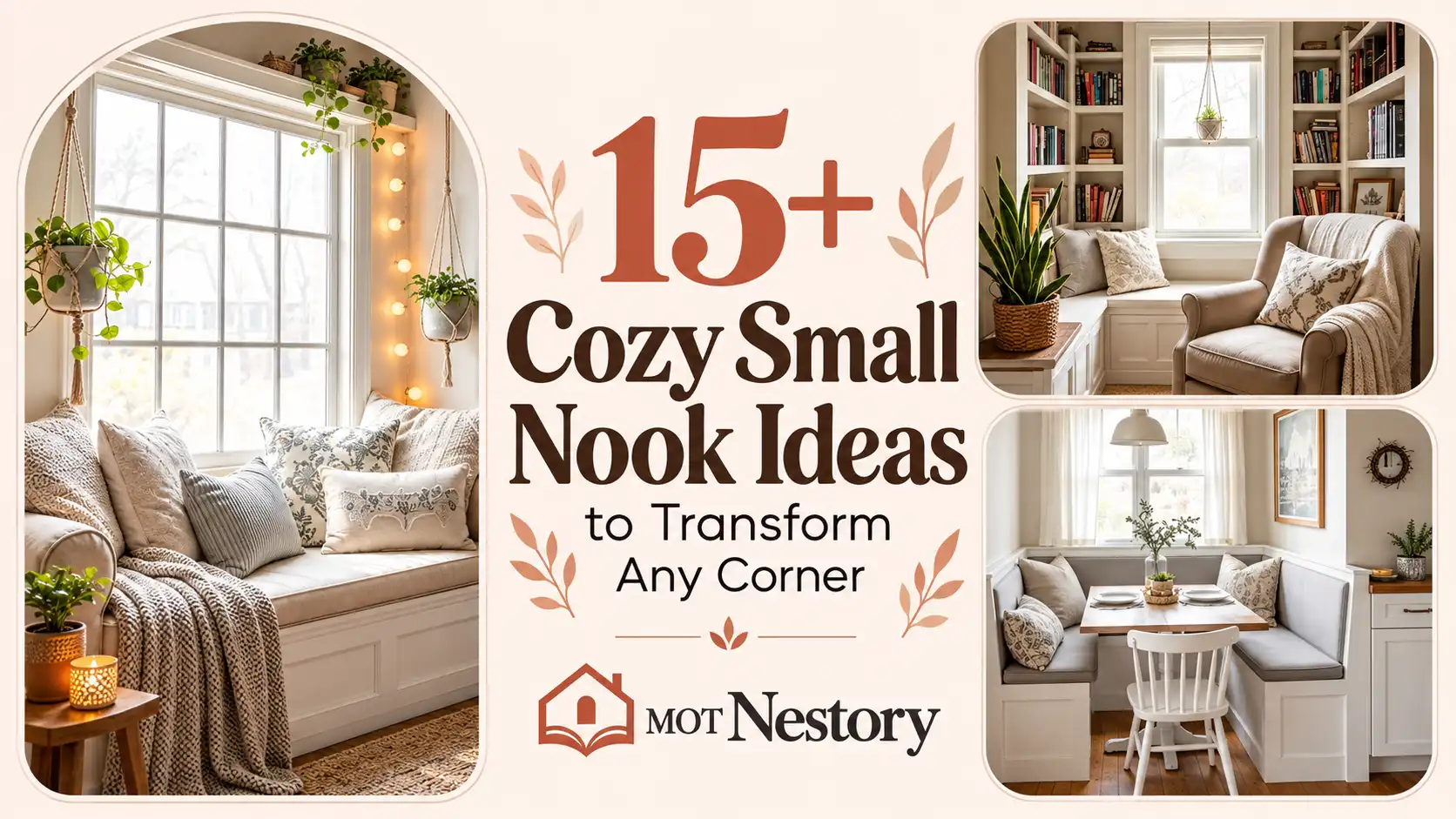
Small nooks can turn unused corners of your home into comfortable and purposeful spaces. Whether you want a quiet reading spot, a compact workspace, or simply a place to relax, even a small area can become a cozy retreat with the right design choices.
The key is to balance comfort, functionality, and style without making the space feel crowded. From window seats and built-in shelving to soft lighting and hidden storage, these small nook ideas can help you make the most of overlooked areas throughout your home.
1. Incorporate Various Textures
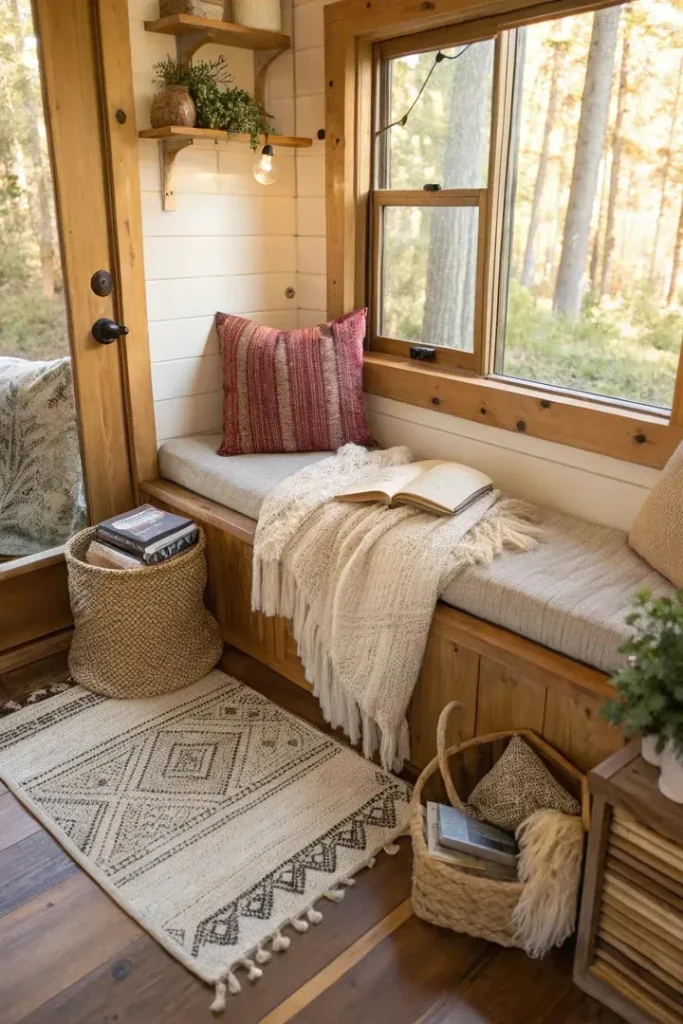
Using a mix of textures can make a small nook feel warmer and more inviting. Combine materials such as wood, woven fabrics, rugs, cushions, and soft throws to create visual depth.
A woven basket can provide practical storage while adding natural texture, while a textured blanket can make a reading seat feel more comfortable. Keep the colors coordinated so the different materials work together without making the nook feel busy.
2. Utilize Natural Light
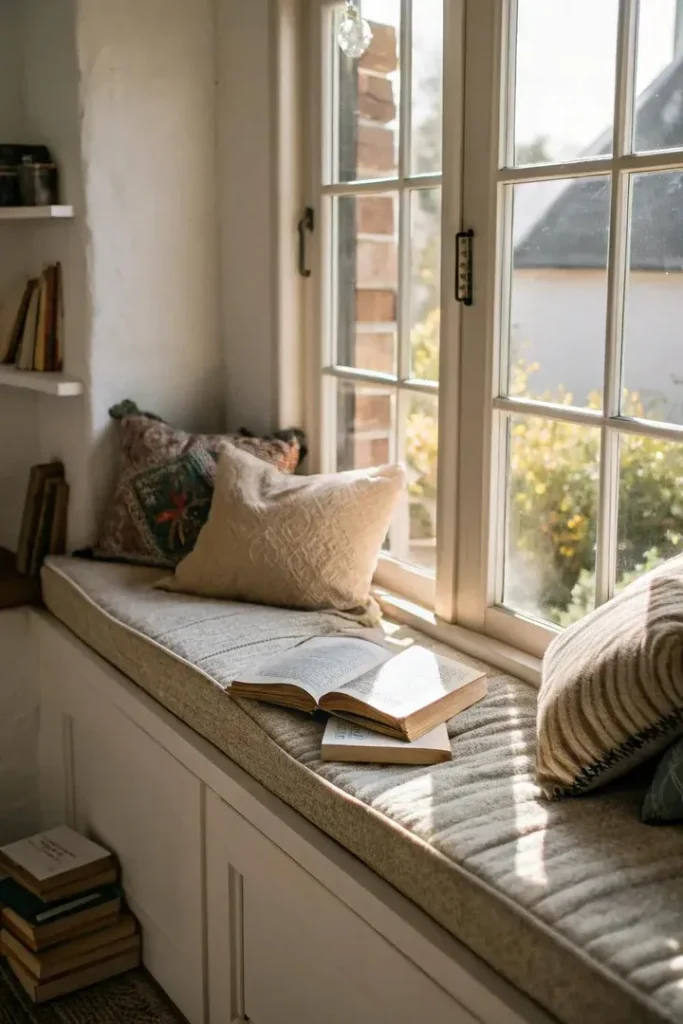
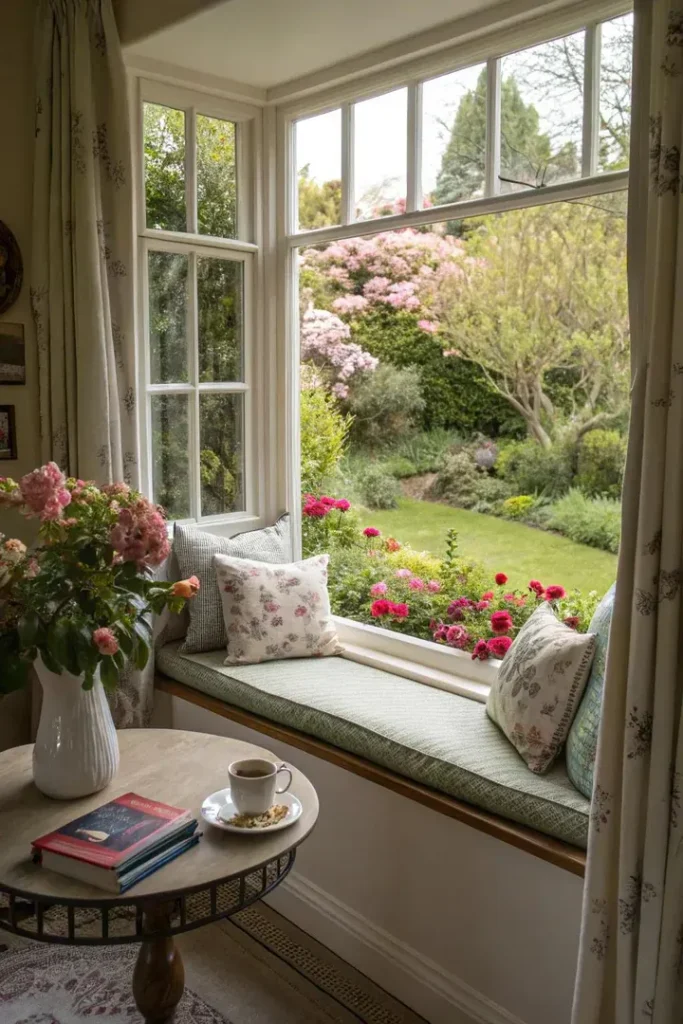
If possible, position your nook near a window to take advantage of natural light. A bright corner can feel more spacious and is especially well suited to reading, relaxing, or enjoying a quiet moment.
Add a comfortable window seat cushion and a few throw pillows to make the space more inviting. Curtains or simple window shades can help control glare while still allowing plenty of daylight into the nook.
3. Add Built-In Shelving for Books and Decor
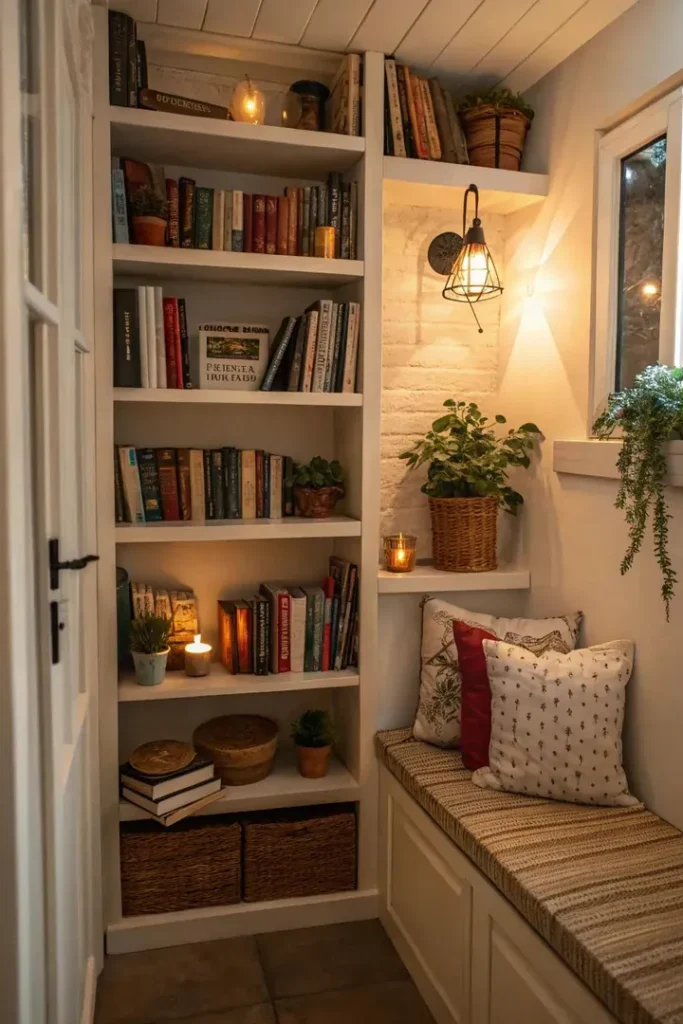
Built-in shelving is a smart way to use vertical space in a small nook. Shelves can hold books, plants, framed artwork, and other decorative pieces without taking up valuable floor space.
For a reading nook, keep your favorite books within easy reach. Wall-mounted lighting can also illuminate the shelves and provide focused light for reading.
4. Create a Window Seat
A window seat can turn an otherwise unused area into a peaceful retreat. It provides a comfortable place to sit while taking advantage of views and natural light.
Add a thick cushion and several soft pillows to make the seat more comfortable. If space allows, include drawers or cabinets underneath for storing blankets, books, or other items.
5. Design a Gallery Wall
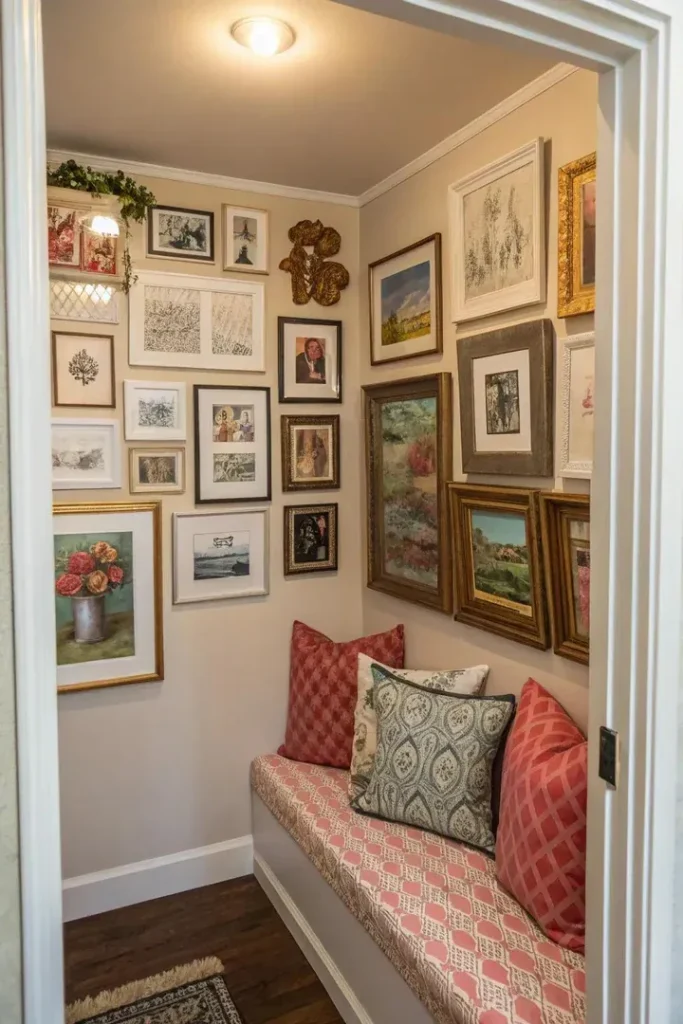
Give your nook a personal touch with a small gallery wall. Display family photographs, artwork, prints, or other pieces that reflect your personality.
You can use matching frames for a clean appearance or mix different frame styles for a more relaxed look. Since a nook is usually compact, a carefully arranged collection of artwork can create a strong focal point without overwhelming the space.
6. Include Hidden Storage
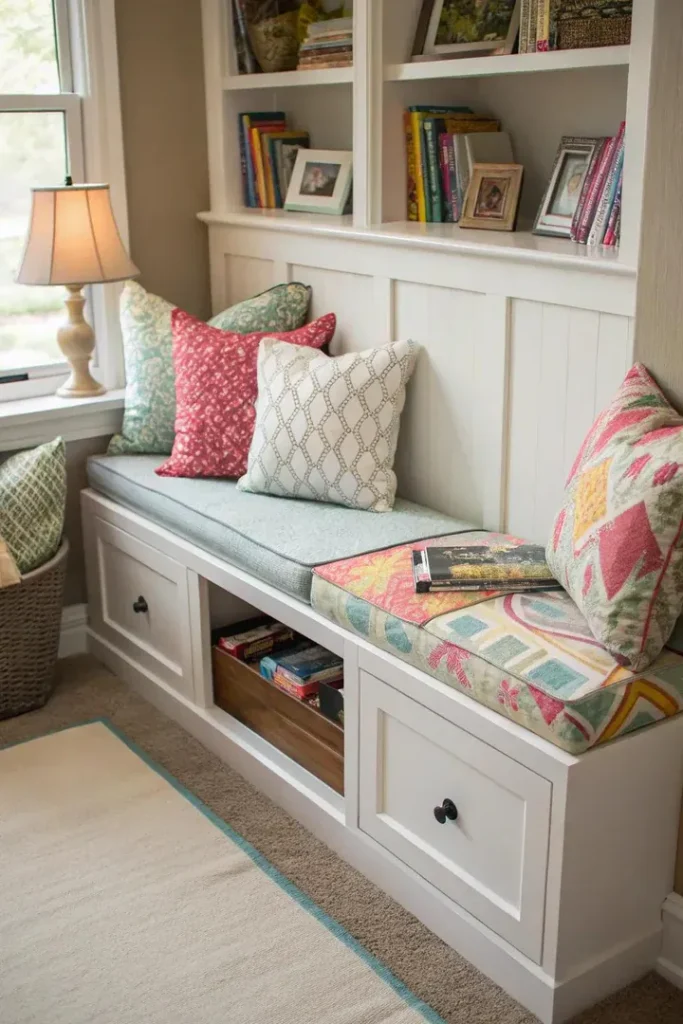
Small spaces benefit greatly from smart storage solutions. A bench with built-in compartments, drawers beneath a window seat, or floating cabinets can keep everyday items organized while maintaining a clean appearance.
Hidden storage is especially useful in a reading or relaxation nook where blankets, books, pillows, and other accessories can quickly create clutter. Choose furniture that serves more than one purpose whenever possible.
7. Add a Small Desk for Work
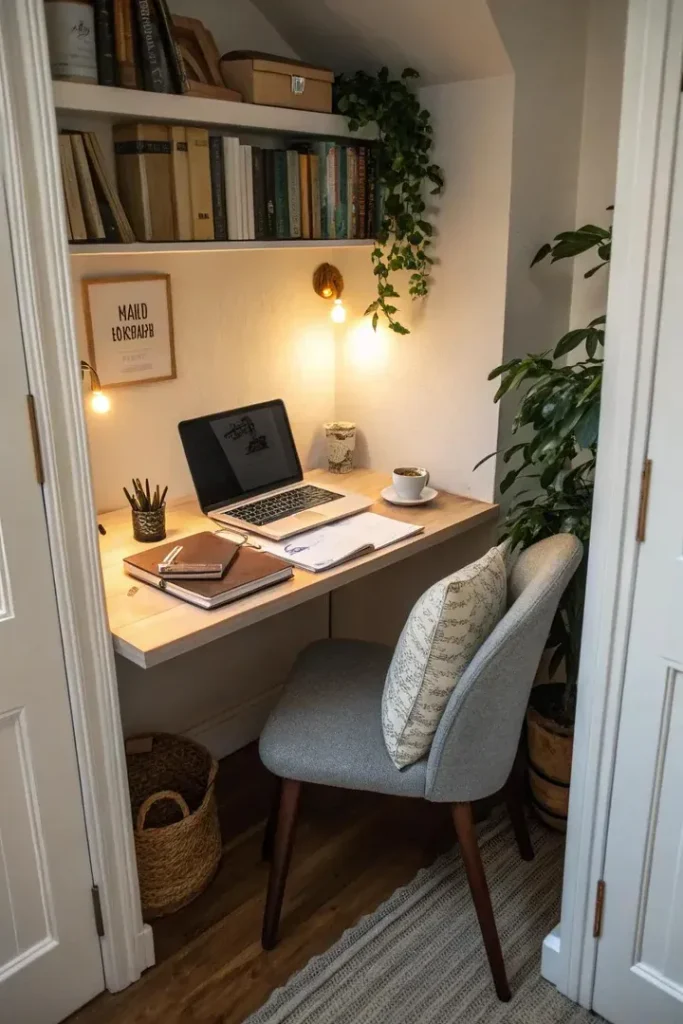
Turn an unused corner into a compact workspace with a small desk. A wall-mounted or folding desk is particularly useful when floor space is limited.
Pair the desk with a slim chair and simple wall storage to keep the area functional without making it feel crowded. Good lighting is also important, especially if the nook is used for reading, studying, or working.
8. Choose Compact Furniture
The right furniture can make a small nook feel comfortable rather than cramped. Choose appropriately sized pieces such as a petite bench, narrow chair, small round table, or compact side table.
Avoid oversized furniture that blocks walkways or makes the area difficult to use. A few well-chosen pieces are often more effective than filling the nook with too many decorative items.
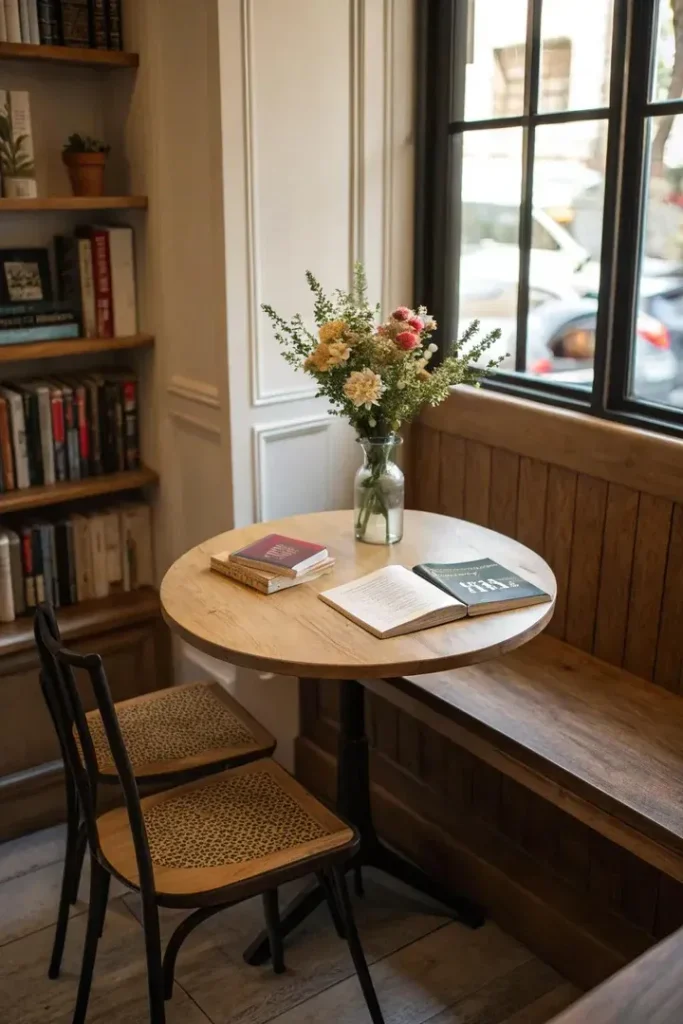
9. Add Decorative Accents
Decorative details can give a small nook personality. Indoor plants, artwork, framed prints, small sculptures, or decorative objects can make the space feel finished.
For a calm atmosphere, choose a few meaningful accessories instead of overcrowding the area. Plants can also introduce natural color and texture while helping soften the appearance of hard surfaces.
10. Layer Cushions and Throws
Comfort is one of the most important elements of a cozy nook. Add cushions, pillows, and throws to seating areas to create a soft and inviting atmosphere.
Mix different fabrics and subtle patterns while keeping the overall color palette coordinated. A comfortable armchair or upholstered bench can become the centerpiece of the nook, while a throw blanket adds an extra layer of warmth.
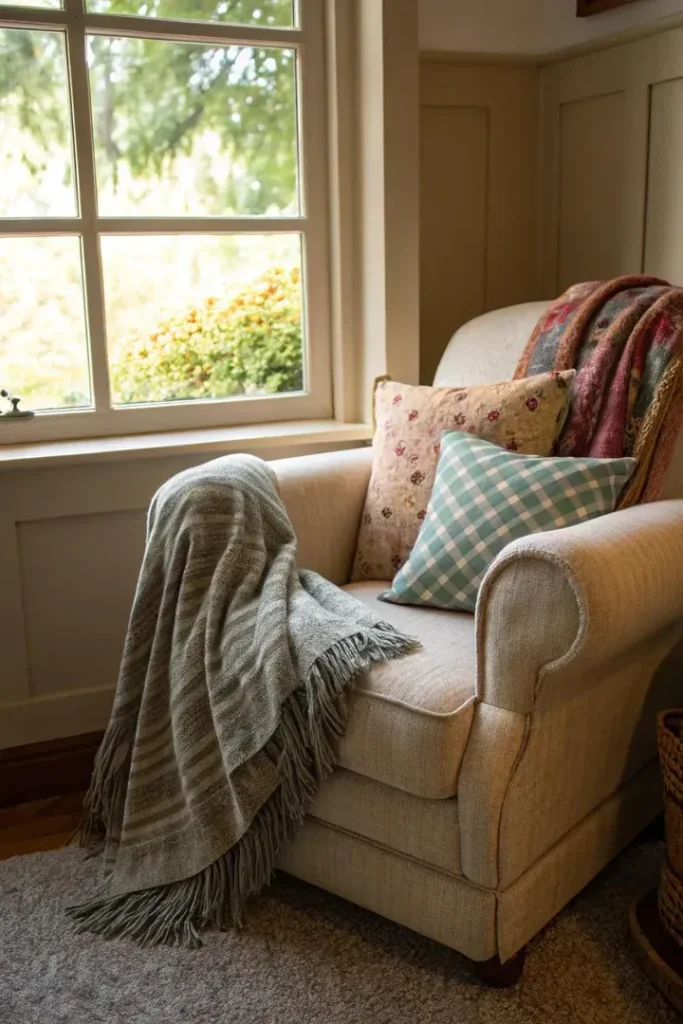
11. Create a Dedicated Reading Corner
A small nook can become the perfect reading retreat with just a few essentials. Start with a comfortable chair or built-in bench, then add a small bookshelf or floating shelves for easy access to your favorite books.
A side table can provide space for a cup of coffee, reading glasses, or a small lamp. Choose warm, comfortable lighting so the area remains inviting in the evening.
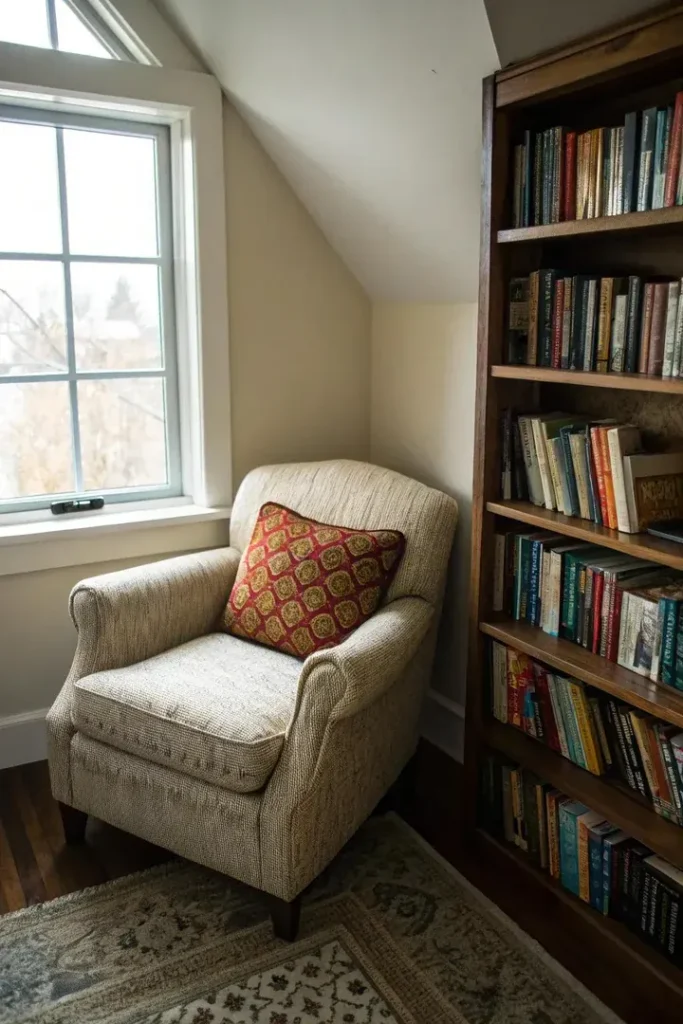
12. Experiment with Bold Colors
A small nook is a great place to experiment with color. A bold wall color can distinguish the area from the rest of the room and make it feel like a deliberate design feature.
If painting the entire nook feels too dramatic, introduce color through cushions, artwork, curtains, rugs, or a statement chair. Keeping the surrounding elements relatively simple will help the accent color stand out.
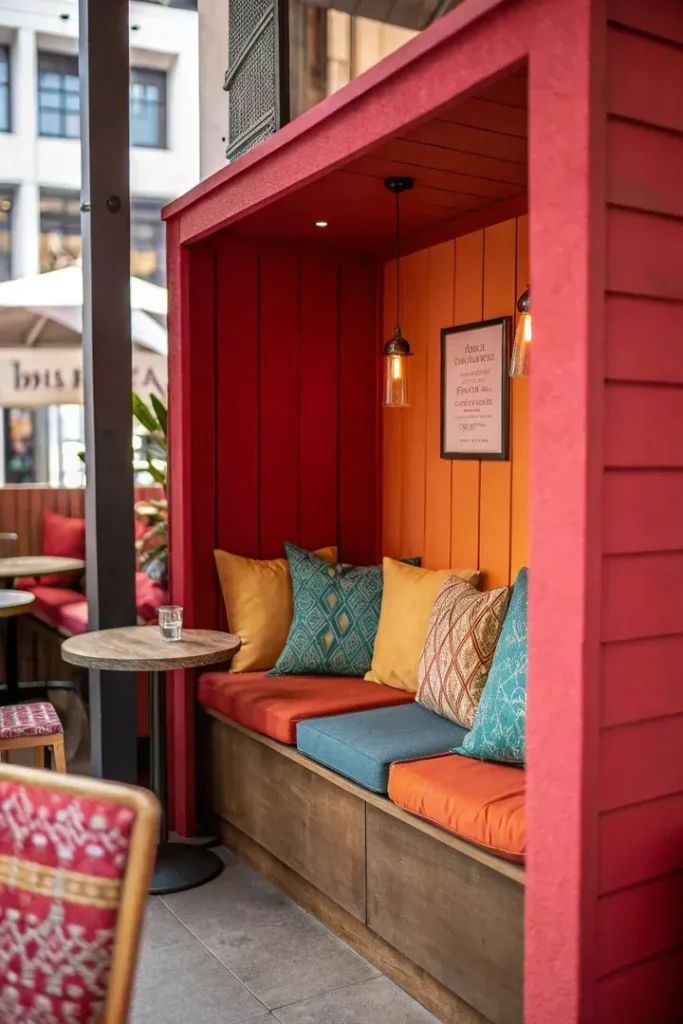
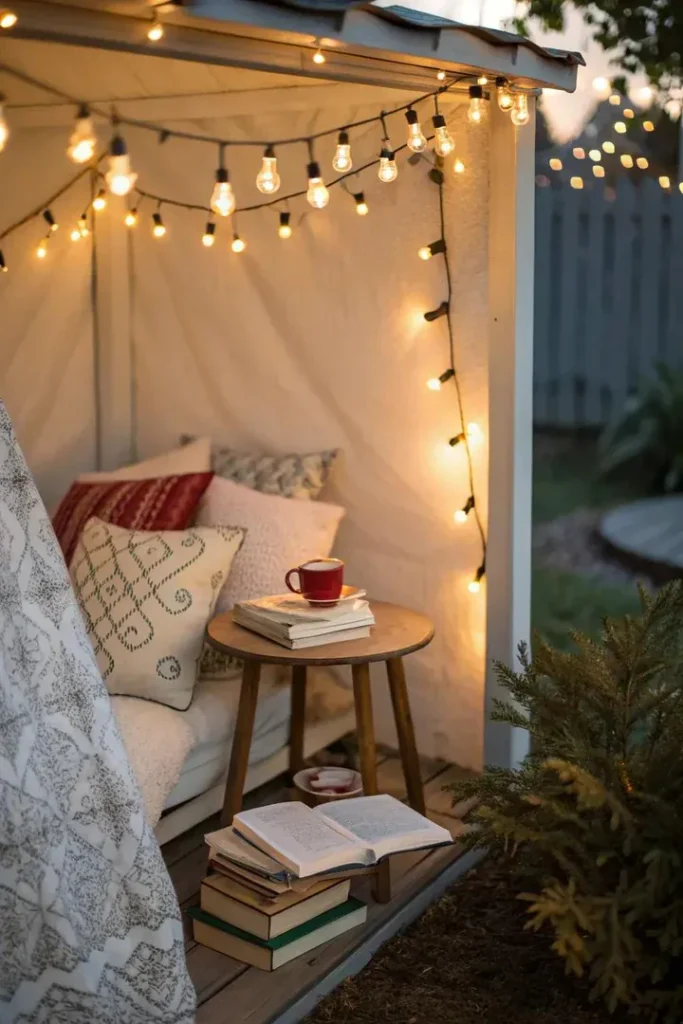
13. Use String Lights for Ambiance
String lights can create a soft and relaxing atmosphere, particularly in reading or relaxation nooks. Their gentle glow can make the space feel warmer during the evening.
For a polished look, arrange the lights neatly around a shelf, wall, or canopy. Choose warm-toned lighting to maintain a comfortable atmosphere rather than using harsh, bright illumination.
14. Bring in a Touch of Nature
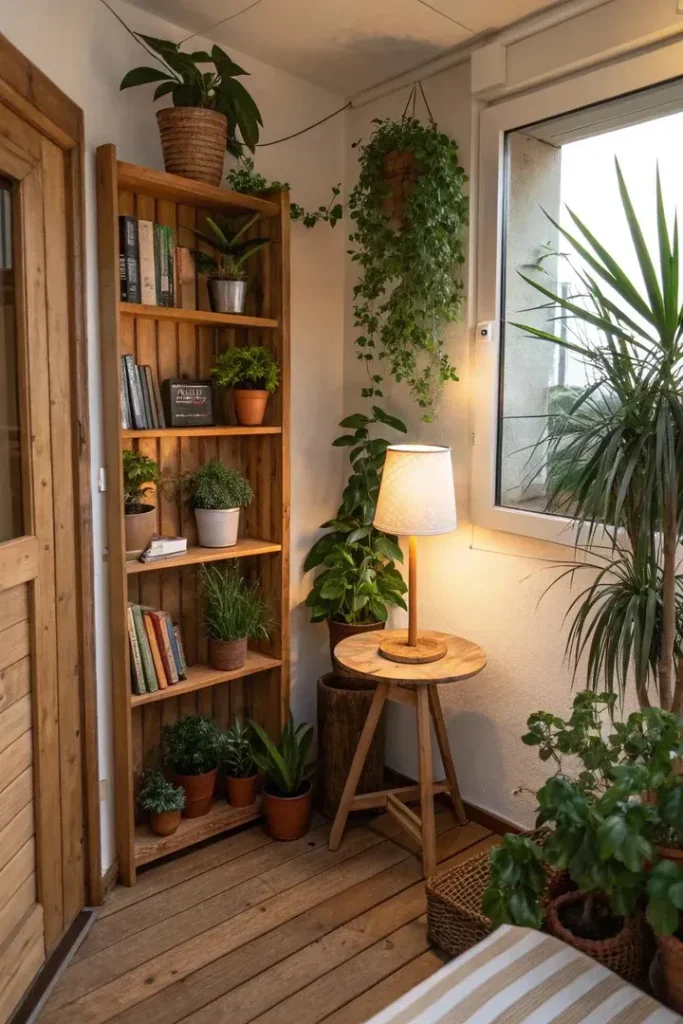
Indoor plants and natural materials can make a small nook feel calmer and more connected to the outdoors. Add a potted plant, hanging planter, small vase of greenery, or natural wood accessories.
If floor space is limited, use wall-mounted or hanging planters to take advantage of vertical space. Natural textures such as rattan, wicker, wood, and linen can further enhance the relaxed feel.
15. Transform Unused Corners and Alcoves
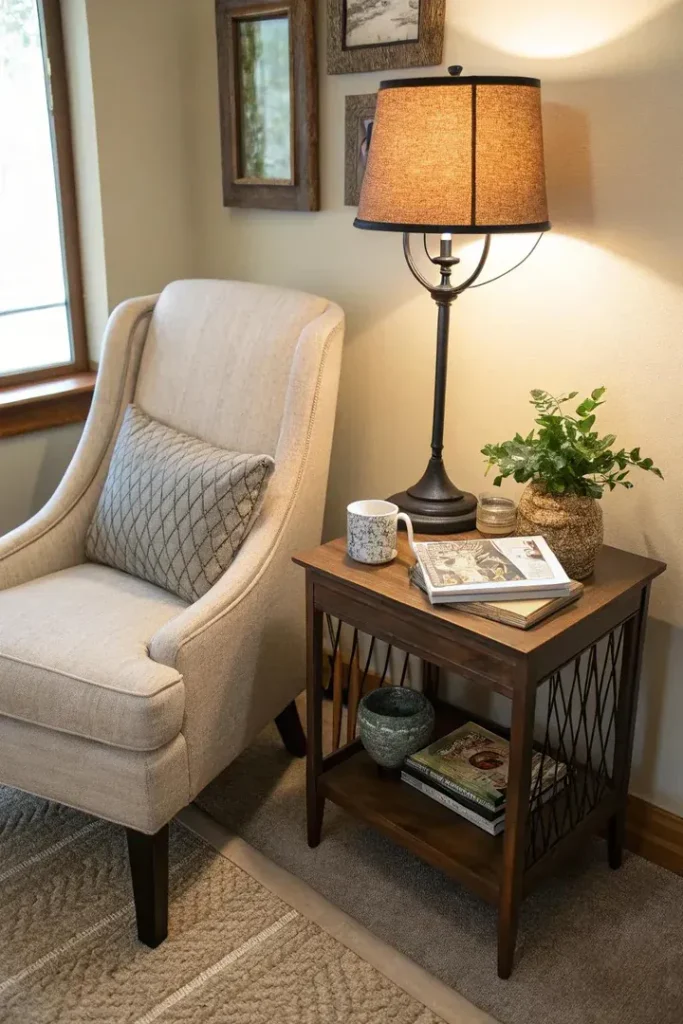
Almost any overlooked corner can become a useful nook with thoughtful planning. An empty alcove beneath a staircase, a wide hallway corner, or an unused section of a bedroom can all provide opportunities for a small retreat.
Start by deciding how you want to use the space. A comfortable chair can create a relaxation area, shelves can turn it into a mini library, and a compact desk can create a practical workspace.
Use the existing shape of the area to your advantage rather than trying to force too much furniture into it. Even a simple chair, small table, and piece of artwork can completely change an unused corner.
Conclusion
Creating a cozy nook does not require a large amount of space. With thoughtful furniture choices, comfortable textiles, suitable lighting, and a few personal details, even an overlooked corner can become a useful and inviting part of your home.
Consider how you want to use the nook before choosing its design. Whether it becomes a reading corner, workspace, window seat, storage area, or quiet place to relax, the best small nooks combine comfort and functionality while reflecting your personal style.
With the right approach, an unused corner can become one of the most enjoyable spaces in your home.