
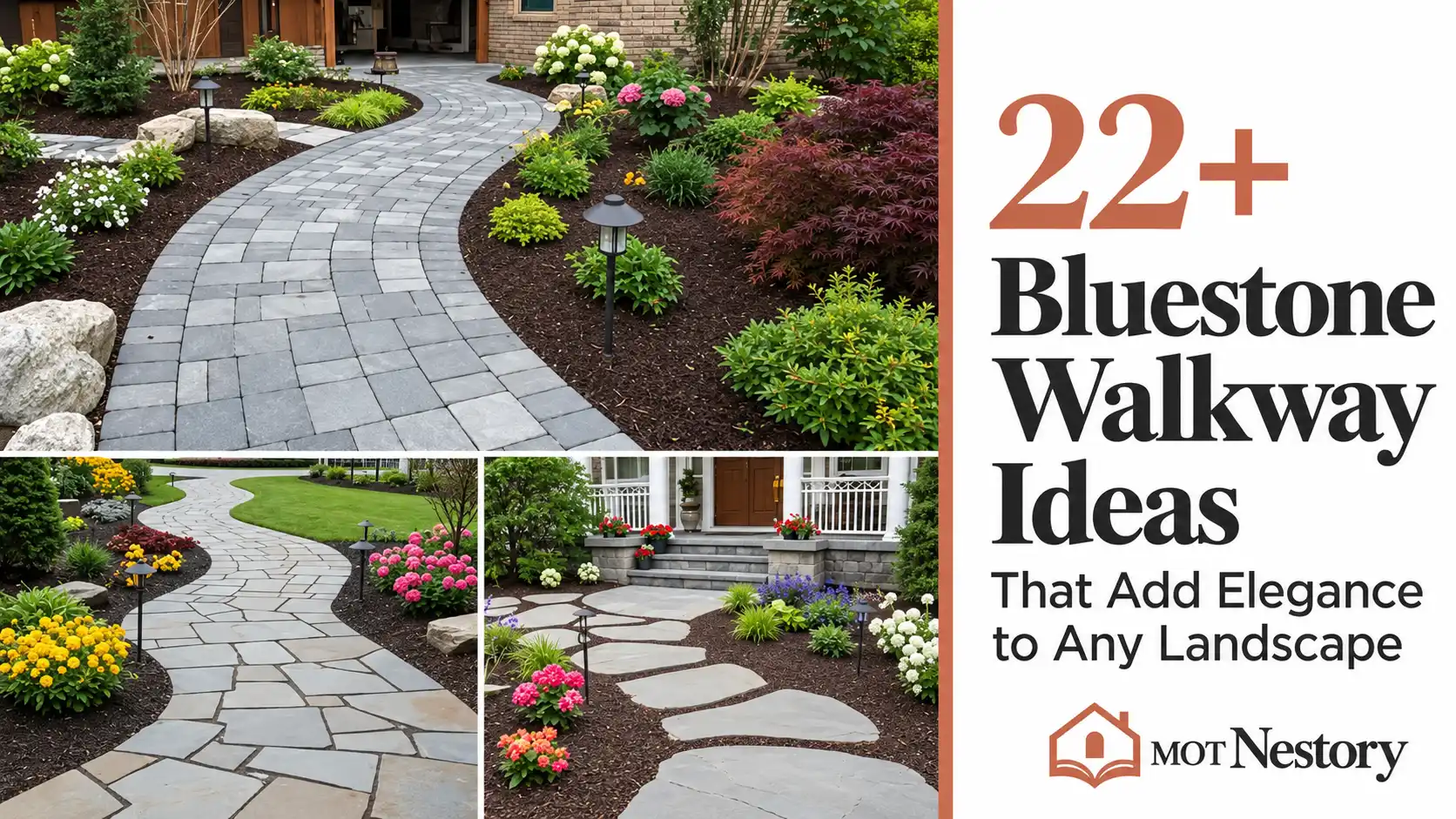
Bluestone walkways can add lasting beauty, structure, and character to almost any landscape. With its natural blue-gray tones and versatile appearance, bluestone works well with everything from informal garden paths to sleek contemporary landscapes.
Whether you want a winding pathway through a garden, a modern walkway leading to your front door, or a relaxed path surrounded by plants, there are plenty of ways to use bluestone. Here are 22 ideas to inspire your next outdoor project.
1. Create a Rustic Garden Pathway
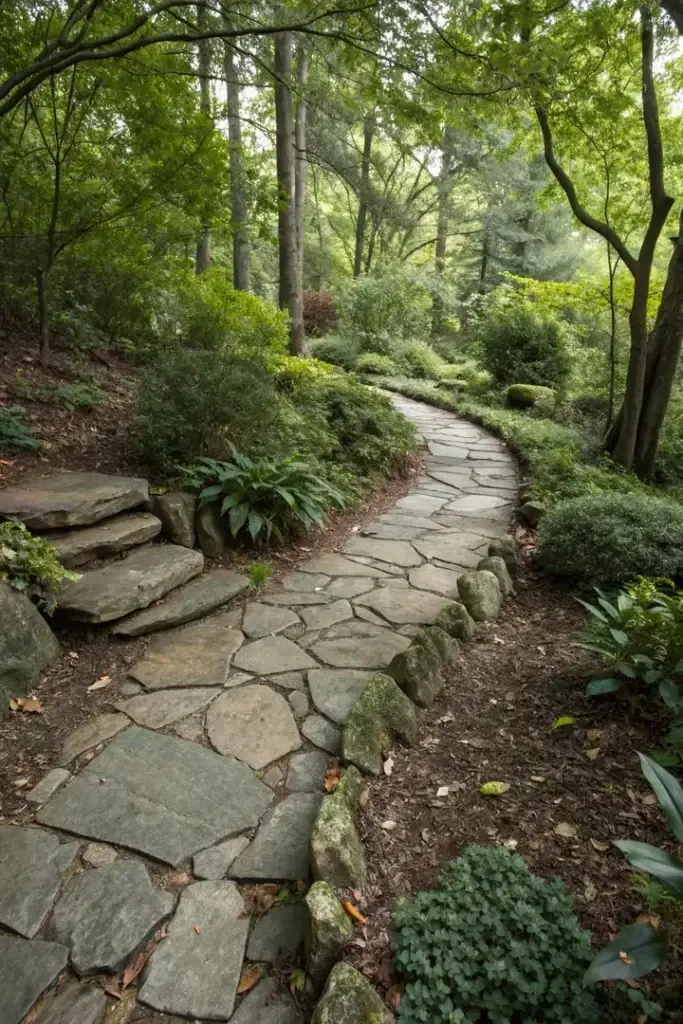
Irregular bluestone slabs are perfect for creating a relaxed, rustic walkway through a garden or wooded landscape. Their uneven shapes work naturally with the surrounding plants and terrain, giving the path an organic appearance.
Use different-sized stones and allow small gaps between them to create a less formal look. This approach works especially well in gardens with mature trees, shrubs, and natural landscaping.
2. Choose a Contemporary Linear Design
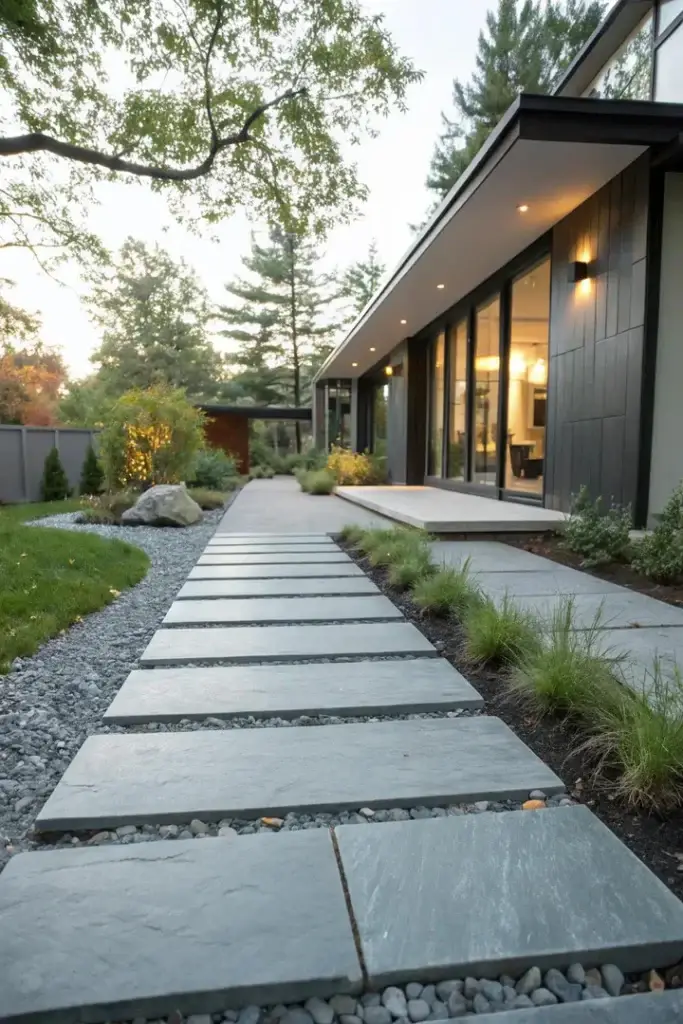
For a modern landscape, use precisely cut bluestone slabs arranged in clean, straight lines. The consistent shapes create a streamlined appearance that pairs well with contemporary architecture.
Keep the surrounding landscaping simple and use geometric planting beds or neatly trimmed greenery to reinforce the modern look.
3. Add Curves for a Graceful Flow
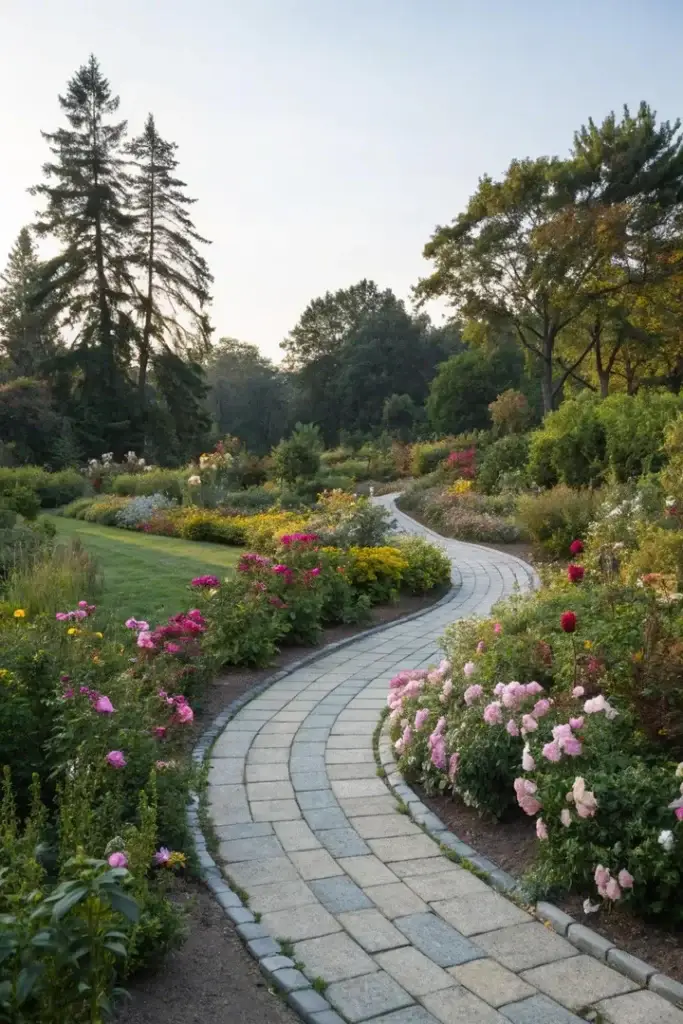
A curved bluestone walkway can make a garden feel more inviting and visually interesting. Instead of taking the shortest route between two areas, a gently winding path encourages people to explore the landscape.
Use broad curves rather than tight turns for a natural appearance, and soften the edges with plants or low ground cover.
4. Use Bluestone as Stepping Stones
Bluestone stepping stones offer a simple alternative to a fully paved walkway. Place individual slabs across grass, gravel, or another ground cover to create a relaxed garden path.
Keep the spacing comfortable for walking and choose stones that are large enough to provide stable footing. This style works particularly well in informal gardens and smaller outdoor spaces.
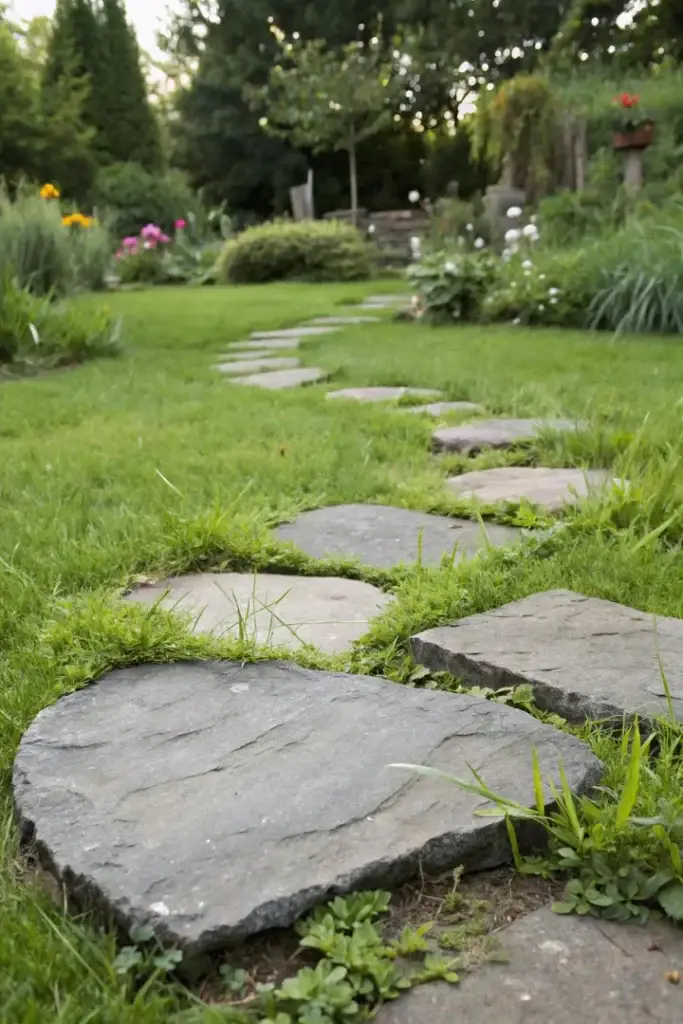
5. Add Grass Infill Between the Stones
Grass-filled gaps can soften the hard appearance of bluestone and bring more greenery into the walkway. The combination of blue-gray stone and fresh grass creates a natural, relaxed aesthetic.
This design can also help rainwater reach the soil rather than directing all runoff across a completely paved surface. Regular trimming around the stones will help keep the path looking neat.
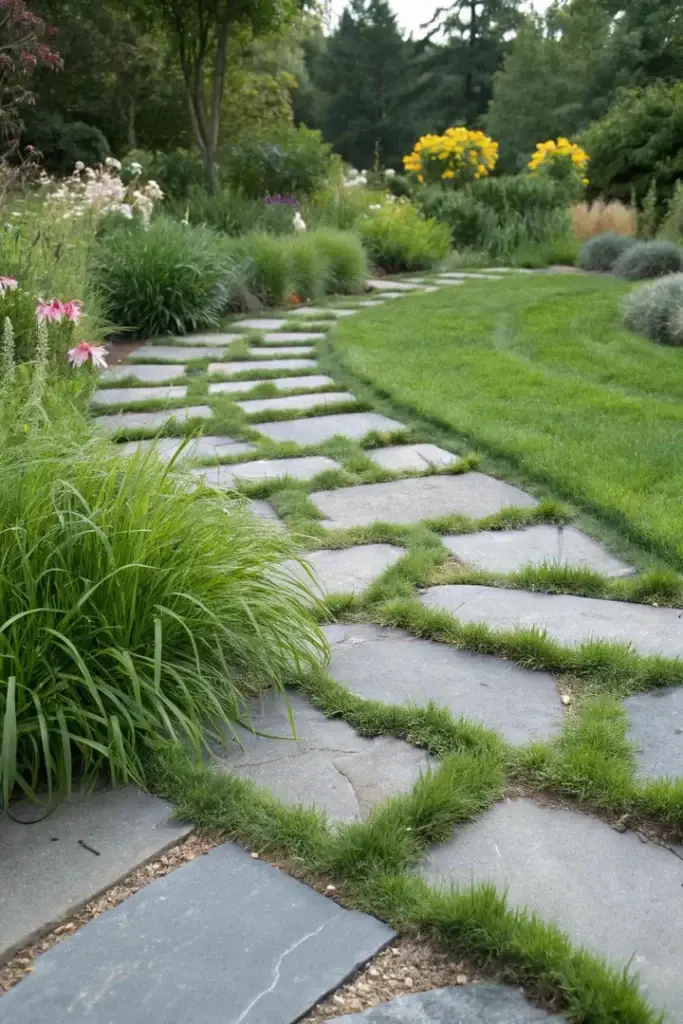
6. Integrate the Walkway with a Water Feature
Pairing bluestone with a pond, fountain, or other water feature can create a peaceful focal point in the landscape.
Use the walkway to lead toward the water feature or curve alongside it. The combination of natural stone, water, and greenery creates a calming outdoor setting that works well in both traditional and contemporary gardens.
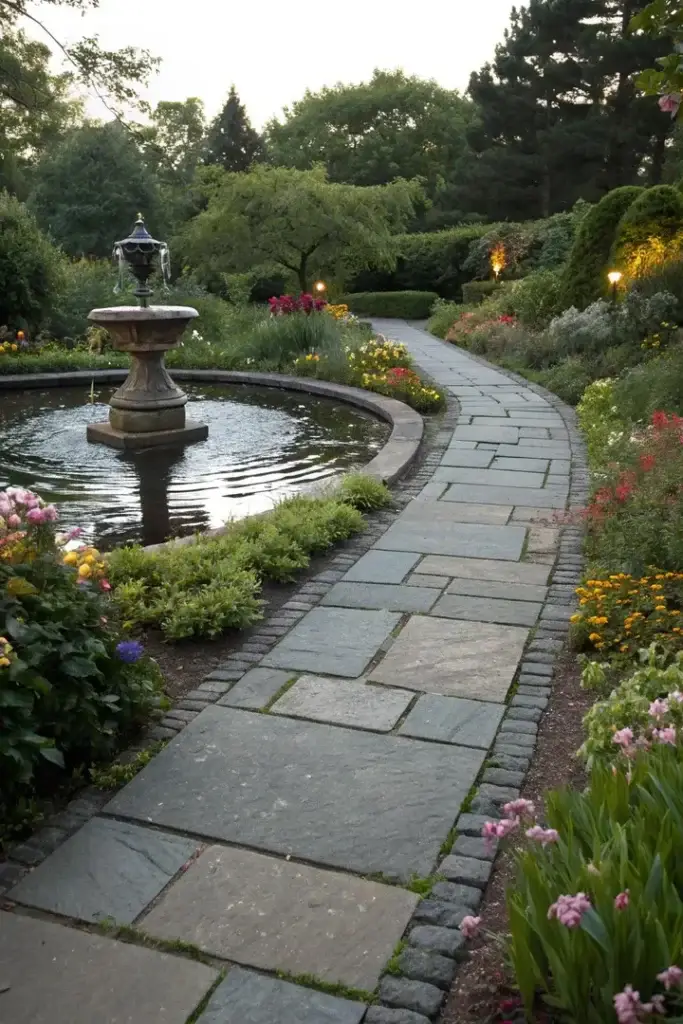
7. Build a Multi-Level Walkway
If your yard has a slope, use bluestone to create a multi-level walkway with integrated steps. This allows the path to follow the natural elevation of the landscape while making the area easier to navigate.
Use wider steps and sturdy stone surfaces where possible, and consider adding low plants or retaining walls to visually connect the different levels.
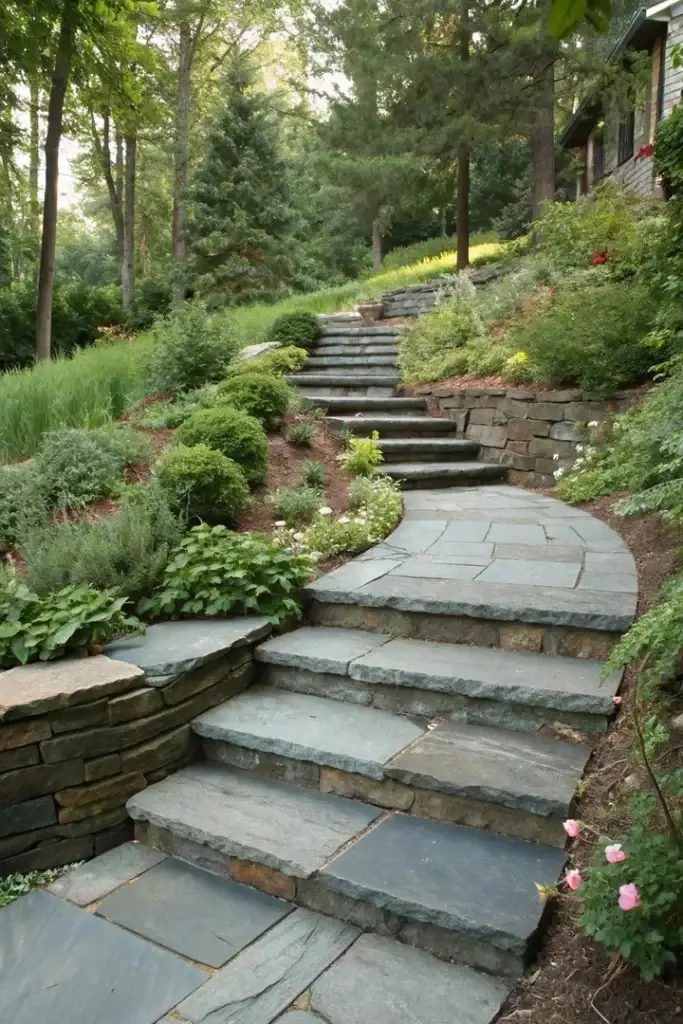
8. Mix Different Bluestone Textures
Combining smooth and textured bluestone can give a walkway more visual depth. Different surface finishes can create subtle contrast without introducing completely different materials.
This approach works well for homeowners who want a walkway with more character while still maintaining a cohesive stone design.
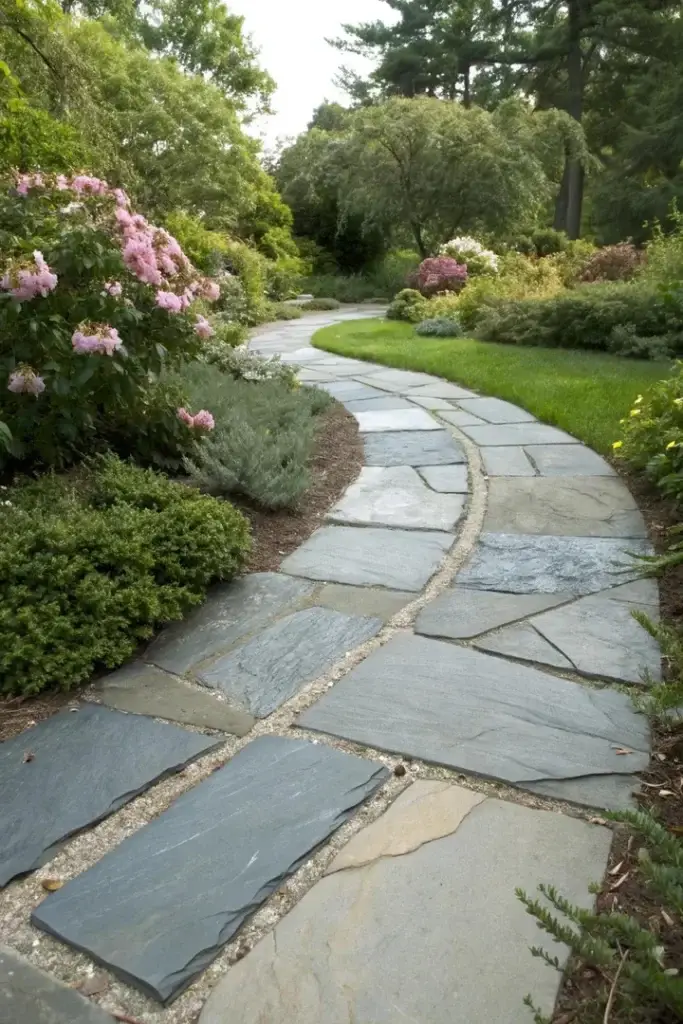
9. Create an Enclosed Garden Pathway
Surround a bluestone walkway with hedges, shrubs, walls, or tall planting to create a more secluded garden experience.
An enclosed path can make a large yard feel more intimate while adding a sense of discovery. Use plants of different heights to create layers without completely blocking the walkway.
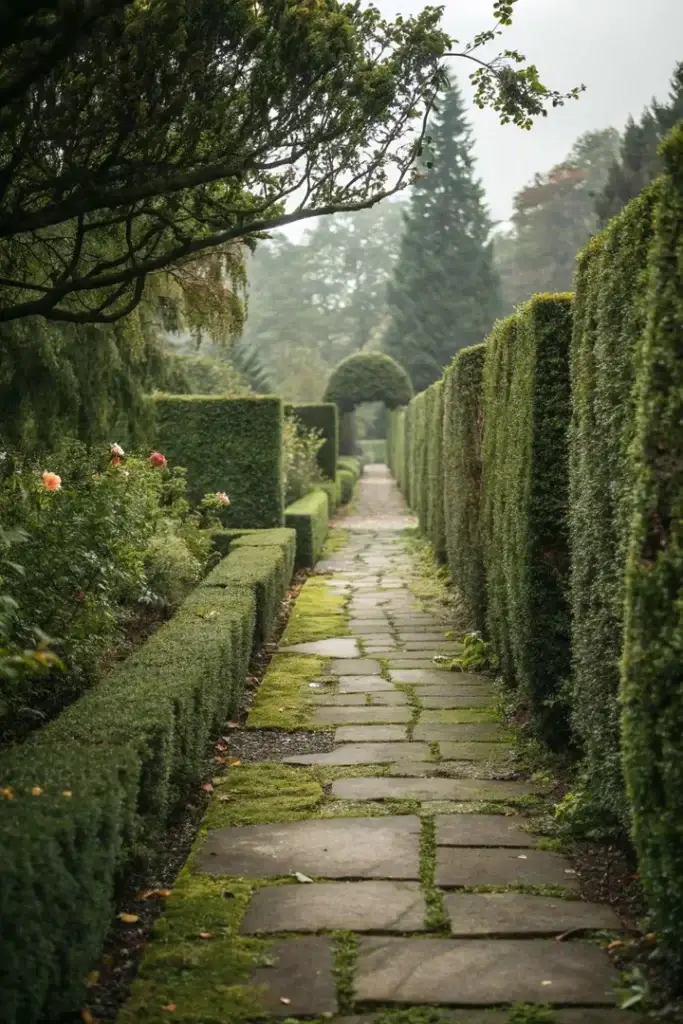
10. Frame the Walkway with Gravel
A gravel border can provide a clean transition between bluestone and the surrounding landscape. It also adds texture and helps define the edges of the path.
Choose gravel that complements the blue-gray tones of the stone. A contrasting color can make the bluestone stand out, while a similar neutral tone creates a more seamless appearance.
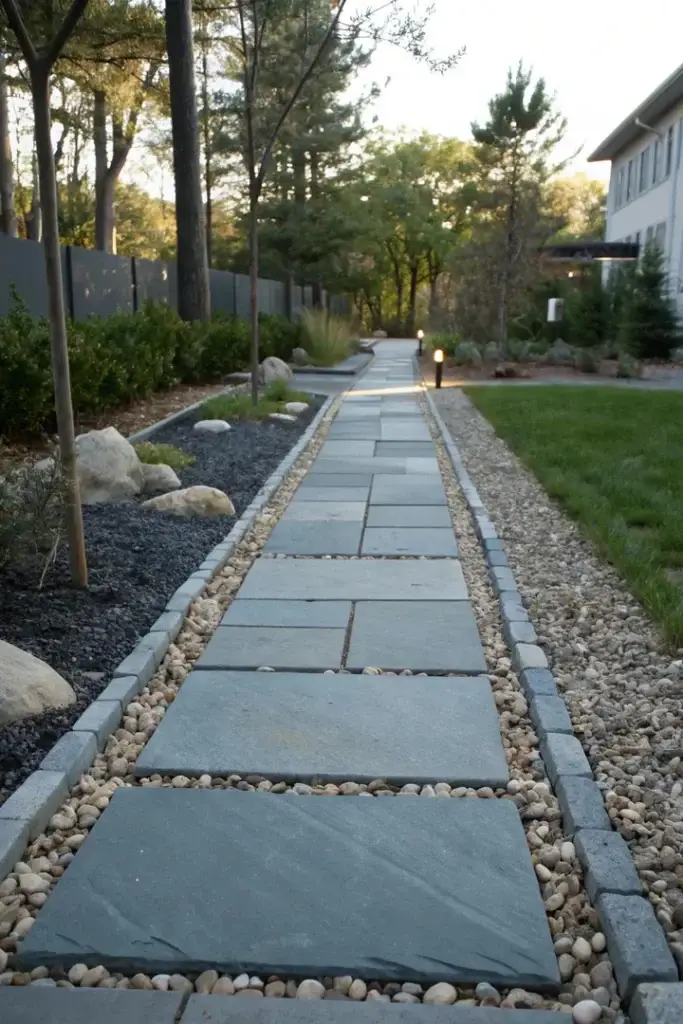
11. Add Floral Edges
Colorful flowers can soften the hard edges of a bluestone walkway and introduce seasonal interest.
Plant low-growing perennials along the path or create wider planting beds where space allows. Choose plants that suit your local growing conditions and avoid varieties that spread aggressively onto the walking surface.
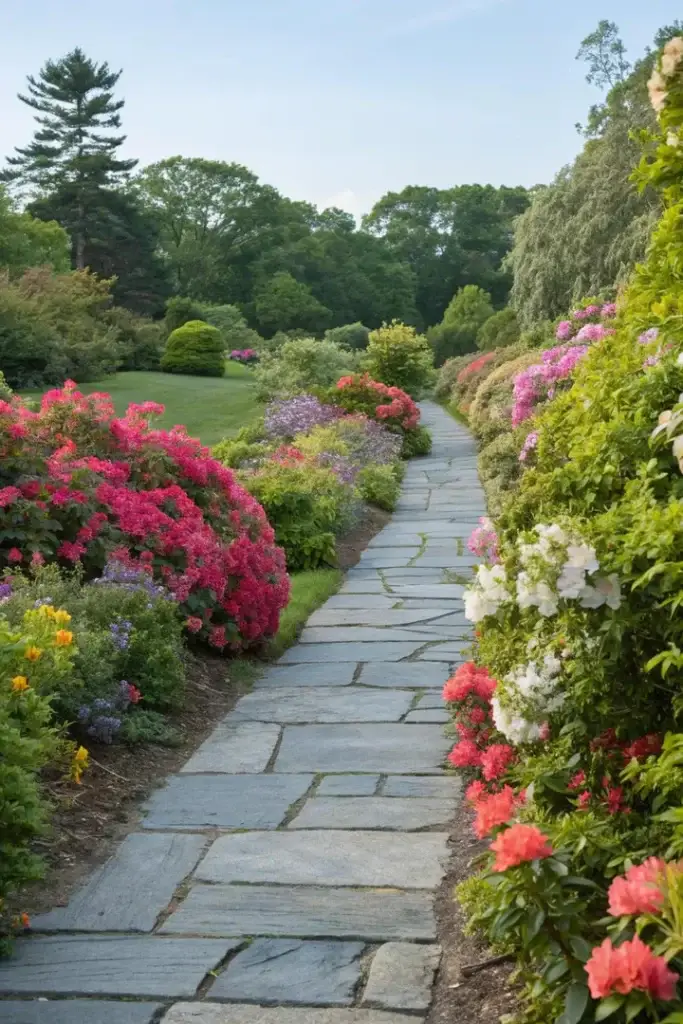
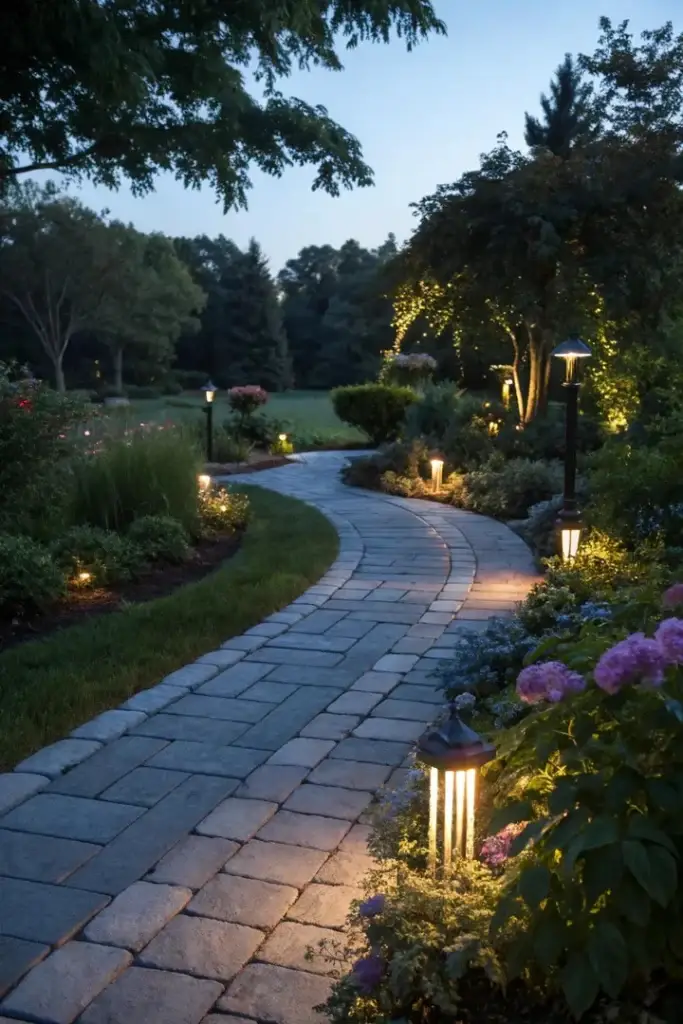
12. Incorporate Walkway Lighting
Lighting can make a bluestone walkway safer and more attractive after dark. Install low pathway lights along the edges or use subtle fixtures near steps and changes in elevation.
Warm, low-level lighting can highlight the texture of the stone without overpowering the rest of the landscape. Solar fixtures can also be useful where wiring is difficult.
13. Use Moss Between Bluestone Slabs
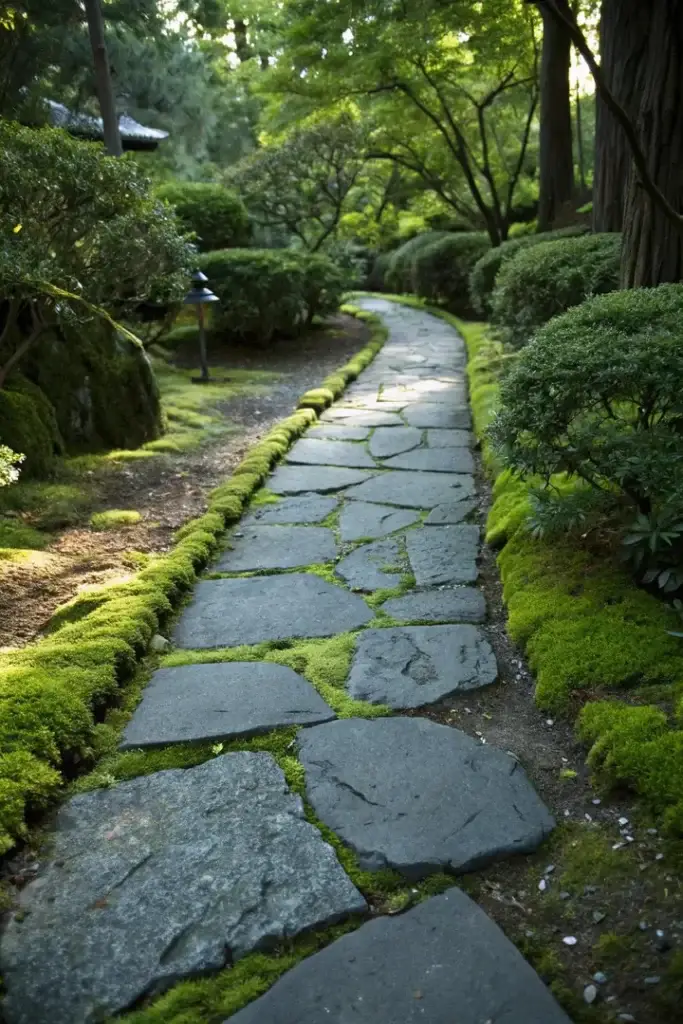
For a weathered, natural appearance, allow moss to grow between bluestone slabs in suitable shaded areas.
Moss can soften the strong lines of the stone and create an aged garden aesthetic. This look is particularly effective in woodland-style landscapes where moisture and shade naturally support moss growth.
14. Extend Bluestone from the Patio
Using the same bluestone from your patio into an adjoining walkway can create a seamless connection between outdoor living areas and the garden.
Large slabs can make the transition feel especially cohesive. Continuing the same material across multiple areas also helps establish a unified landscape design.
15. Add Plants Along the Walkway Edges
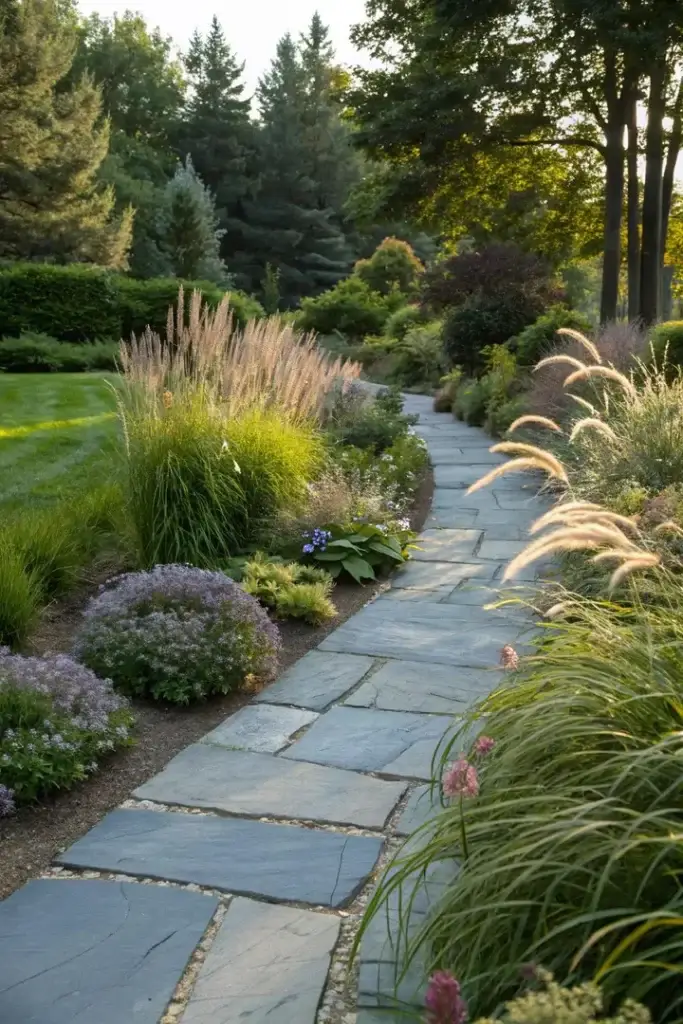
Edging plants can soften a bluestone pathway while adding color, texture, and seasonal interest.
Ornamental grasses, low-growing flowers, herbs, and other suitable plants can create a natural border. Leave enough space between the plants and the walking surface to prevent overgrowth from making the path difficult to use.
16. Combine Bluestone with Natural Stone Steps
Pairing bluestone with larger natural stone steps can create a strong entrance feature. The rougher texture of natural stone provides contrast against the flatter surface of bluestone.
This combination is especially useful on sloped properties where the walkway needs to transition between different elevations.
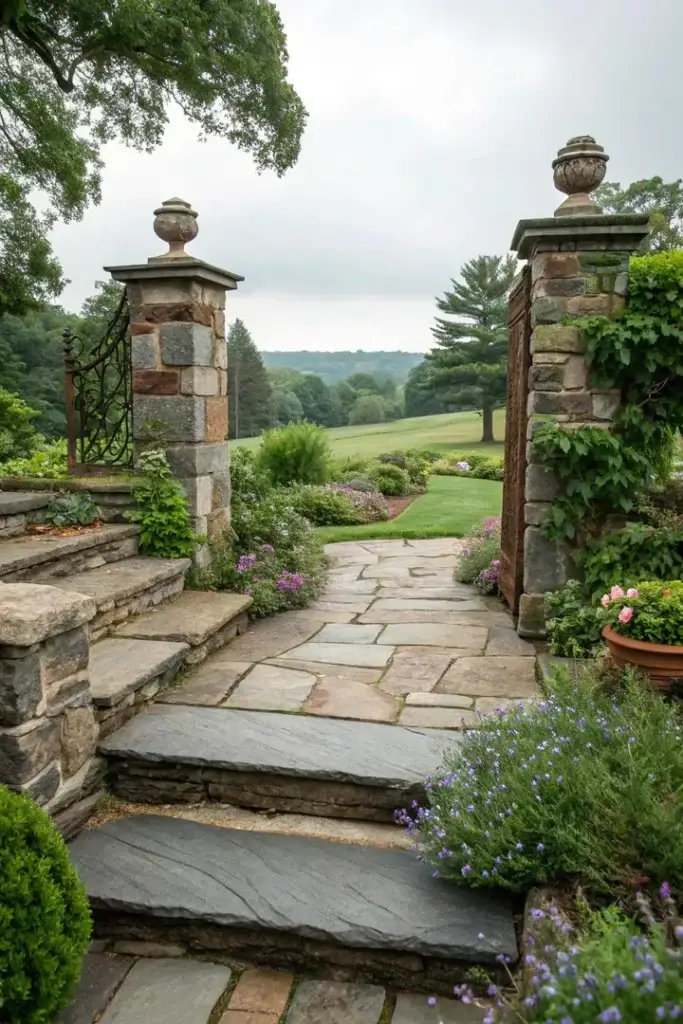
17. Leave Water-Permeable Gaps
Instead of filling every joint with solid material, consider using sand or small gravel in selected areas to create a more permeable walkway design.
The gaps can allow some rainwater to reach the ground while also giving the path a lighter, more informal appearance. Make sure the installation remains stable and provides a safe walking surface.
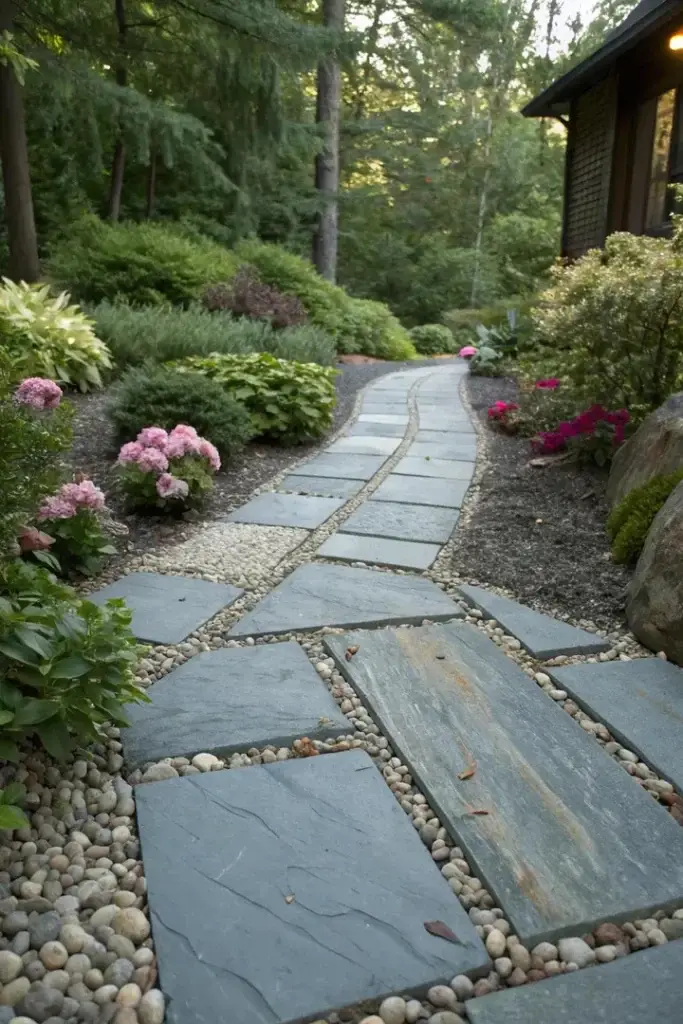
18. Incorporate Bluestone into a Zen Garden
Bluestone can work beautifully in minimalist or Zen-inspired landscapes. Use simple rectangular or square slabs surrounded by gravel, carefully placed plants, and other restrained elements.
Keep the layout balanced and uncluttered. The natural variation in the stone can provide enough visual interest without requiring elaborate decoration.
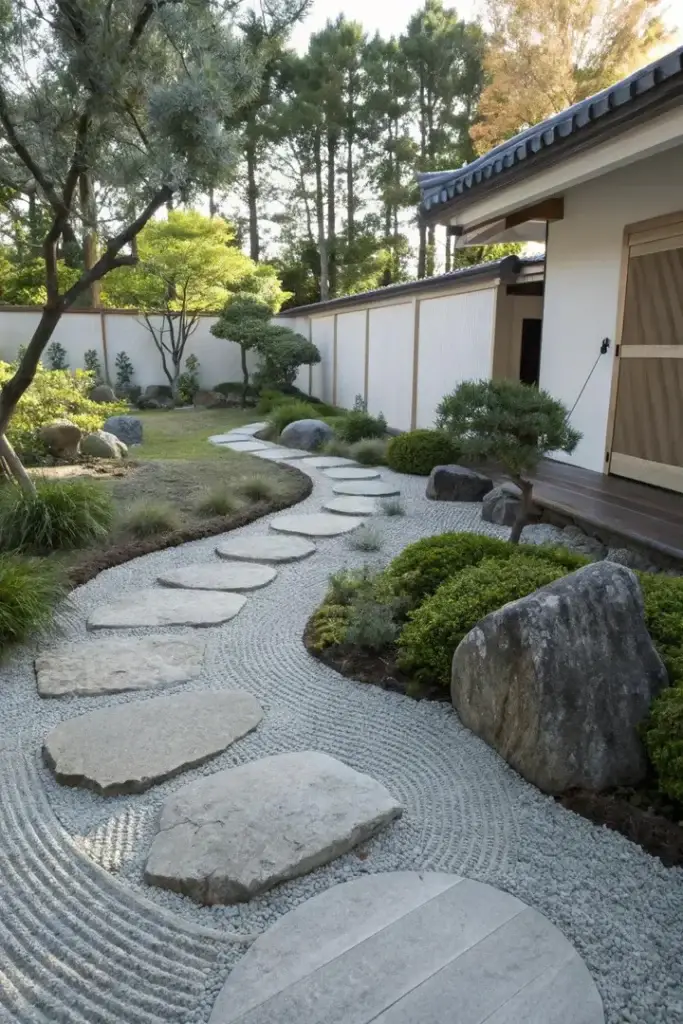
19. Line the Walkway with Ornamental Trees
Small ornamental trees can add height and structure along a bluestone walkway. Trees with seasonal flowers or attractive foliage can create a strong focal point while providing some shade.
Plant them far enough from the path to allow room for mature growth and to minimize problems caused by roots or fallen debris.
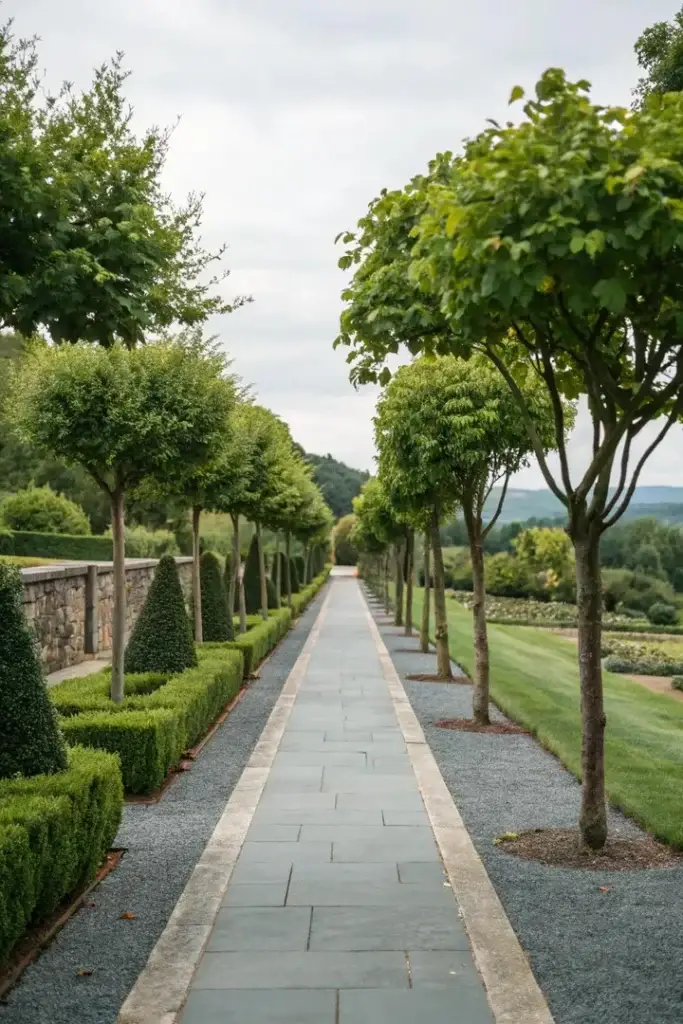
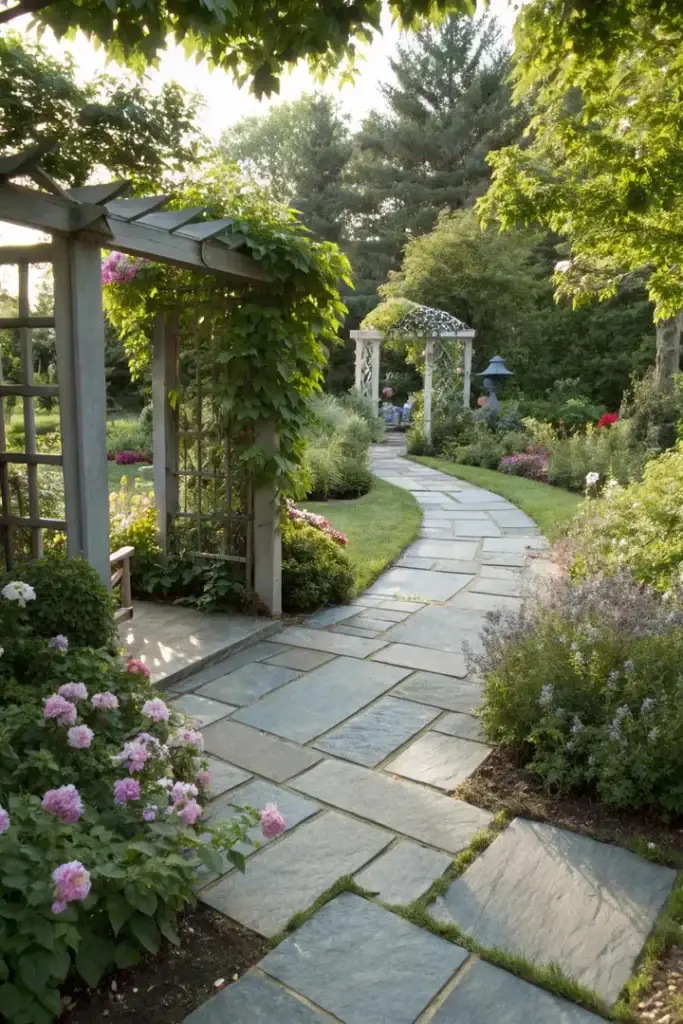
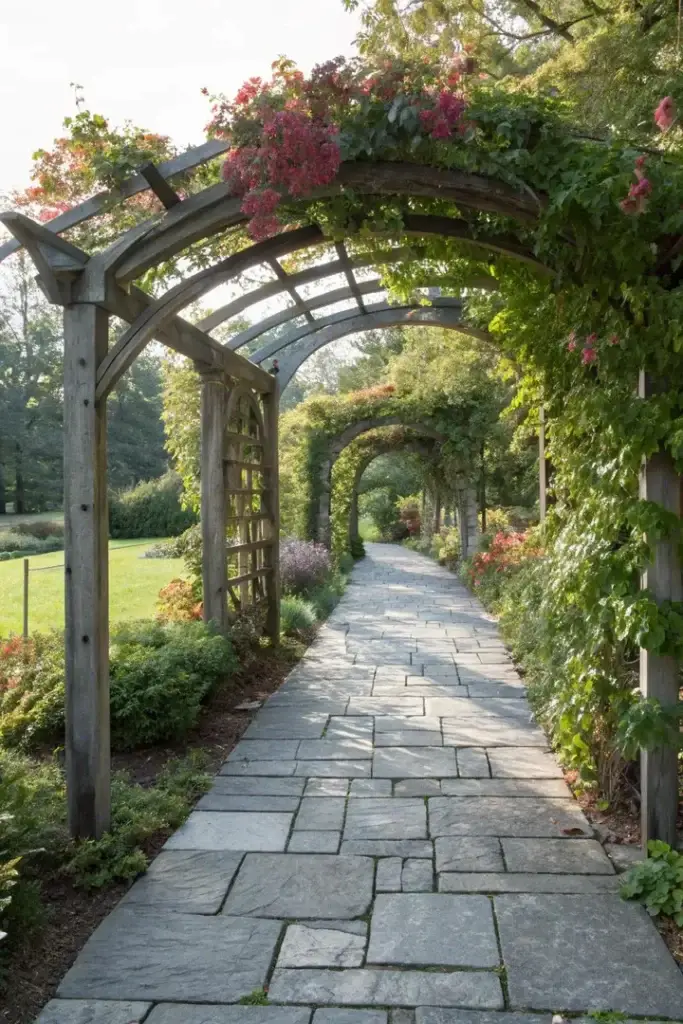
20. Add an Archway Entrance
An archway can make a bluestone walkway feel more distinctive and welcoming. Wooden or metal arches can frame the beginning of the path and provide support for climbing plants.
This is particularly effective when the walkway leads into a garden, courtyard, or secluded outdoor area. Keep the arch proportionate to the width of the path so the entrance remains comfortable to use.
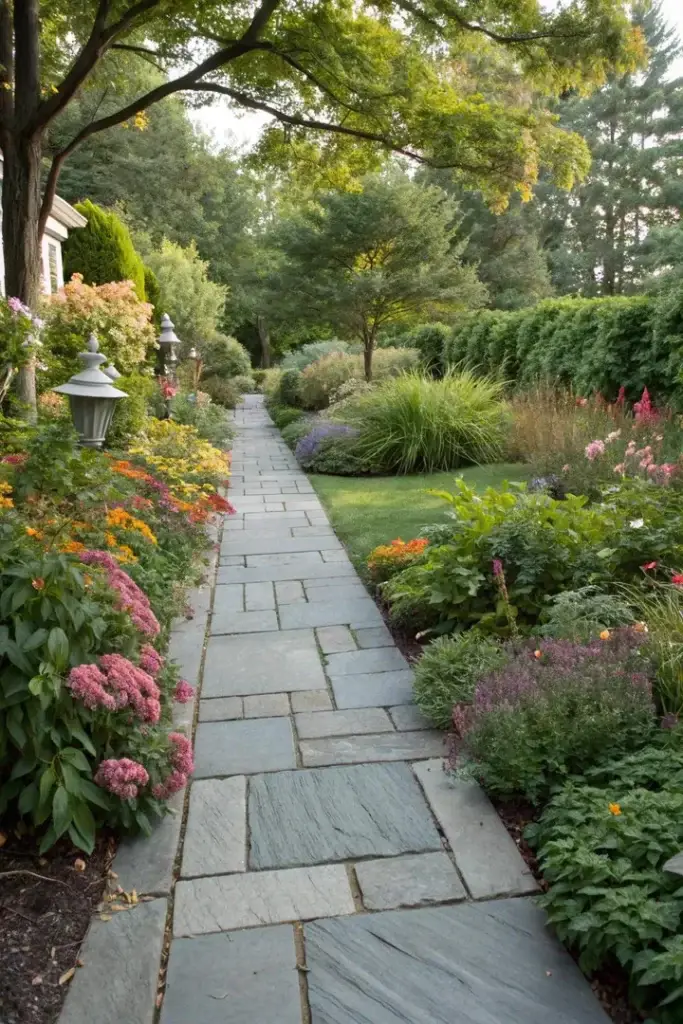
21. Use Seasonal Plantings
Seasonal flowers and foliage can keep a bluestone walkway looking fresh throughout the year.
Combine plants with different blooming periods to create changing color and texture across the seasons. Evergreen plants can provide structure during colder months, while flowering perennials can add seasonal highlights.
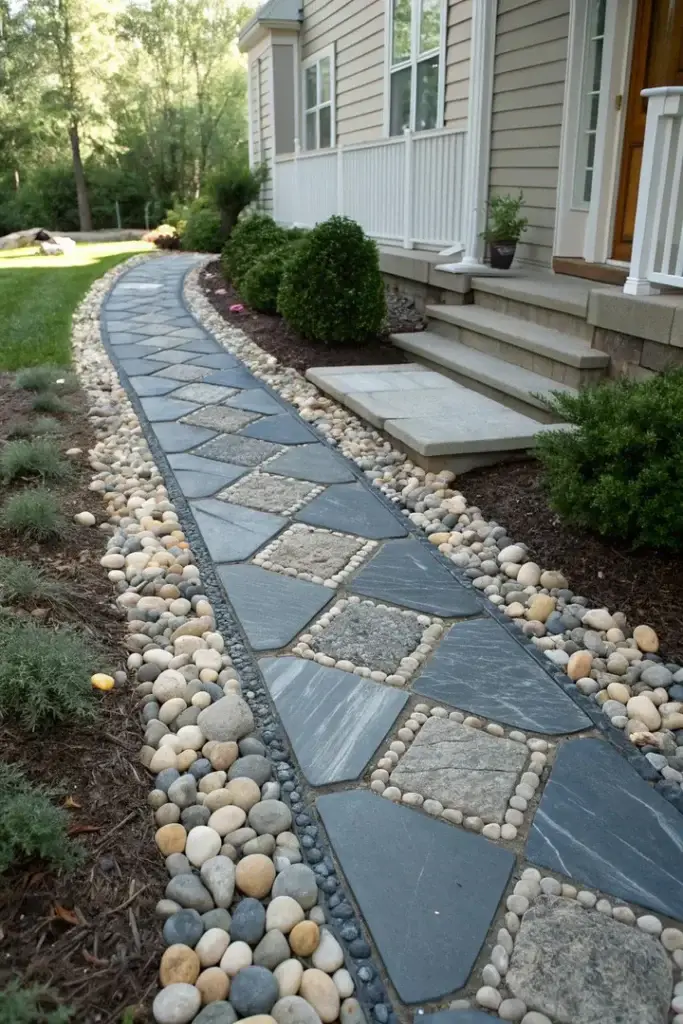
22. Add Decorative Pebbles
Decorative pebbles can be used around bluestone slabs to create contrast and define the edges of the walkway.
Choose pebbles in neutral tones for a subtle appearance or use contrasting shades to make the stone more prominent. Pebbles work particularly well alongside minimalist gardens and contemporary landscapes.
Conclusion
Bluestone offers plenty of flexibility when designing a walkway. Its natural color, durability, and range of available shapes and finishes make it suitable for rustic gardens, modern landscapes, formal entrances, and relaxed outdoor spaces.
When planning your walkway, consider the overall style of your home, the shape of your yard, drainage, maintenance, and how the path will be used. You can keep the design simple with stepping stones or create a more substantial walkway with edging, lighting, plants, steps, and other landscape features.
With the right layout and surrounding details, a bluestone walkway can become more than a practical path—it can be an important part of your landscape design.